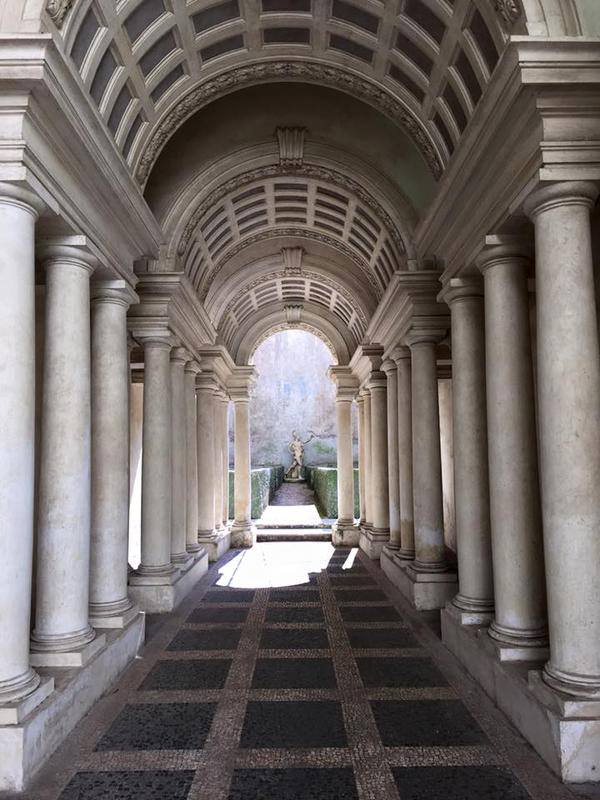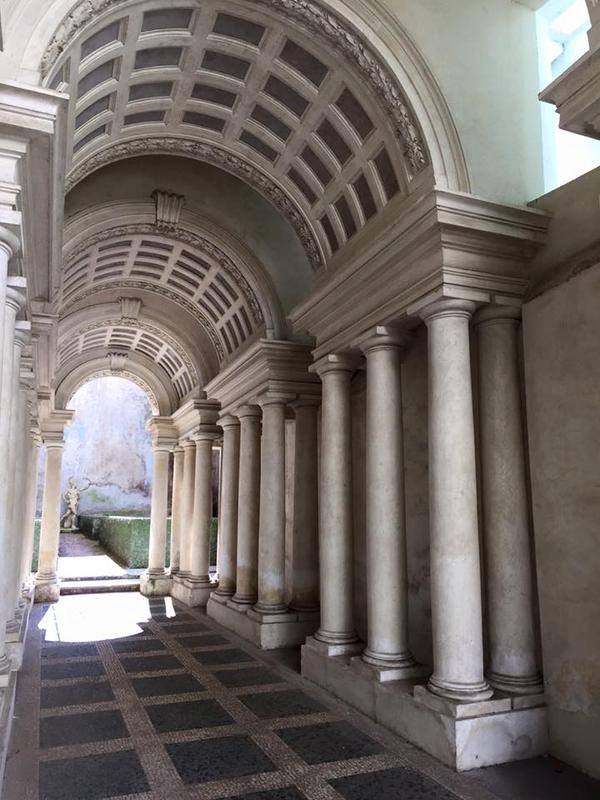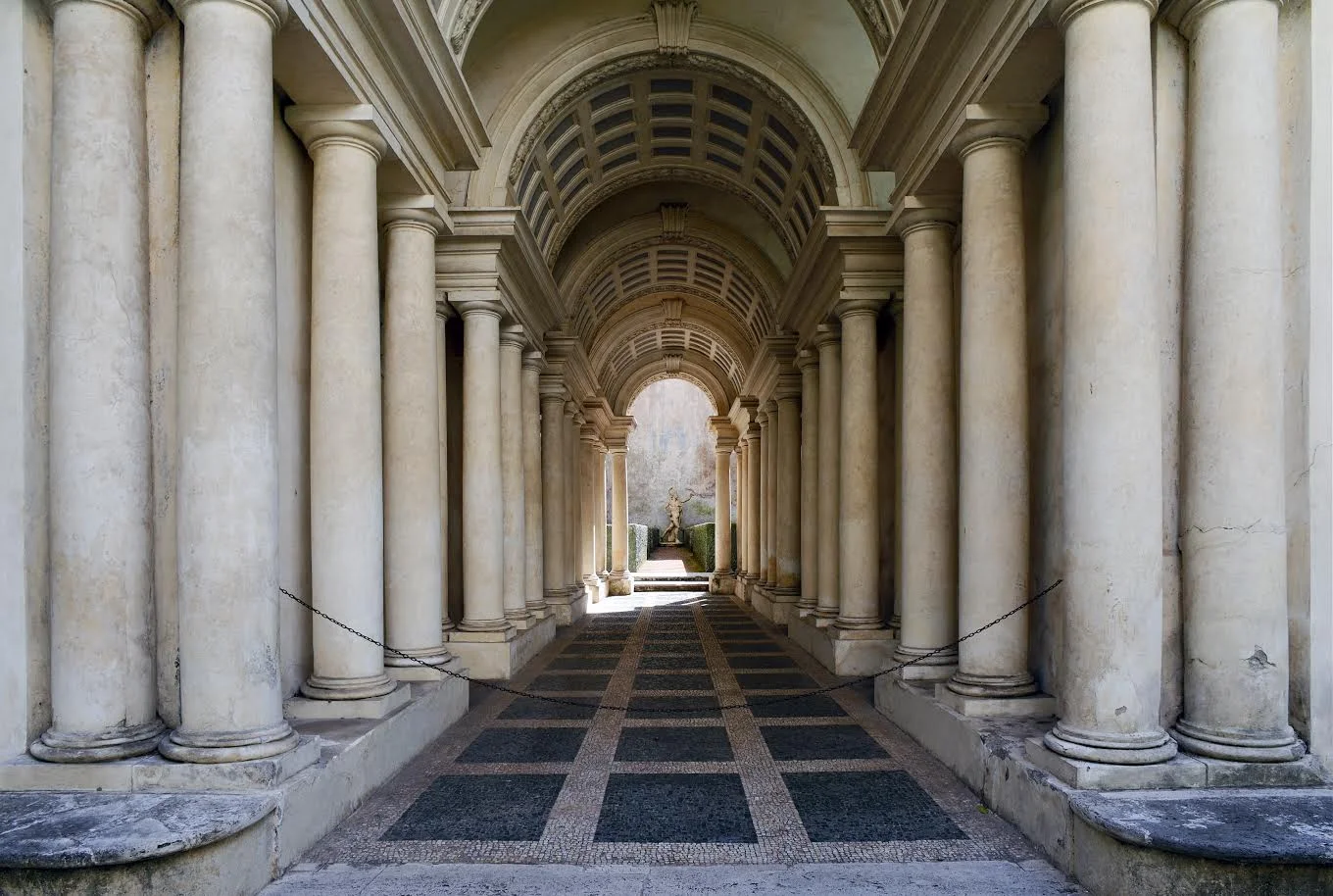
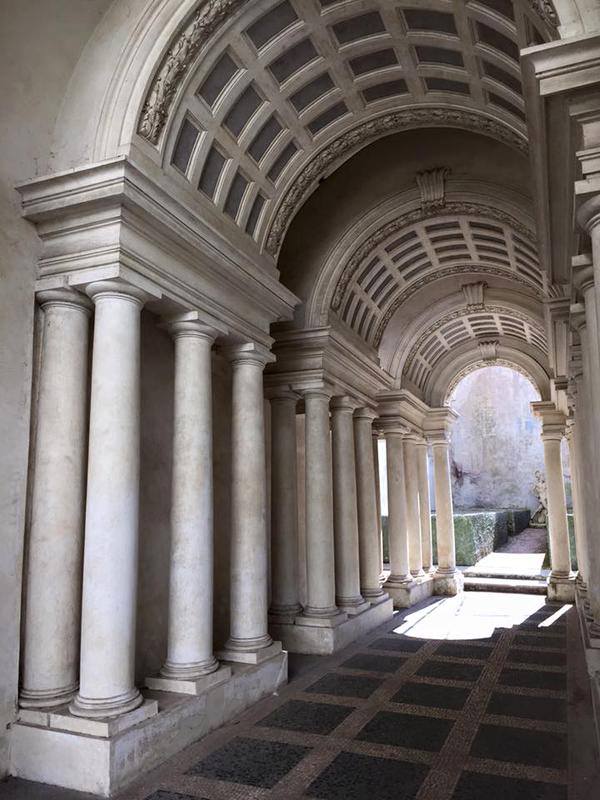
Palazzo Spada: a columns-gallery with a different perspective
Palazzo Spada is an impressive building built in 1550 by Cardinal Capo di Ferro, later restored by Bernini and Borromini who created a unique full play of perspectives in a columns-gallery.
Looking at the facade with reliefs and entering the courtyard finely decorated with stucco you can relive all the past greatness of Rome. This impressive building was built in 1550 by Cardinal Capo di Ferro, later restored by Bernini and Borromini on behalf of Cardinal Bernardino Spada, who lived here in the 17th century.
A full play of perspectives brings you in the columns-gallery of Borromini, that looks four times larger than it is.
Over the centuries the cardinals gathered paintings, sculpture and precious furniture. The masterworks: Andrea del Sarto, The Visitation and Guercinos Death of Dido.
How to reach it from Hotel San Francesco
From Hotel San Francesco, you can take the tram n. 8 direction “Piazza Venezia” and get off at the 3rd stop “Arenula/Min. Giustizia”; from there Palazzo Spada is 5 minutes walking distance, in Piazza Capo di Ferro, 13.
Post edited by our receptionist Giuseppe
Built in the early sixteenth century at the behest of Agostino Chigi, rich banker from Siena, the Villa Farnesina in Rome, the Accademia Nazionale dei Lincei properties, it is one of the most noble and harmonious achievements of the Italian Renaissance.
Palazzo Spada is an impressive building built in 1550 by Cardinal Capo di Ferro, later restored by Bernini and Borromini who created a unique full play of perspectives in a columns-gallery.
The Barberini Palace hosts the National Gallery of Ancient Art, entirely restored, located in Via delle Quattro Fontane, near Barberini Square
The Moses by Michelangelo is certainly one of his best works and it is housed in the church of San Pietro in Vincoli in Rome.
In 1505, Pope Julius II gave to Michelangelo the commission to design and sculpt his tomb. The initial design was massive and called...
Built around 123 A.D. as a tomb for Emperor Hadrian and his family, Castel Sant'Angelo has an unusual destiny in the history and art of the Rome. While all the other Roman monuments are overwhelmed...
There is no other place like this in Rome. When you get through the gate for the first time, a peacefulness atmosphere surround you.
Men from all over the world, rest together, under pine and cypress trees. The cemetery population is incredible rich in writers, painters and poets as Keats and Shelley.
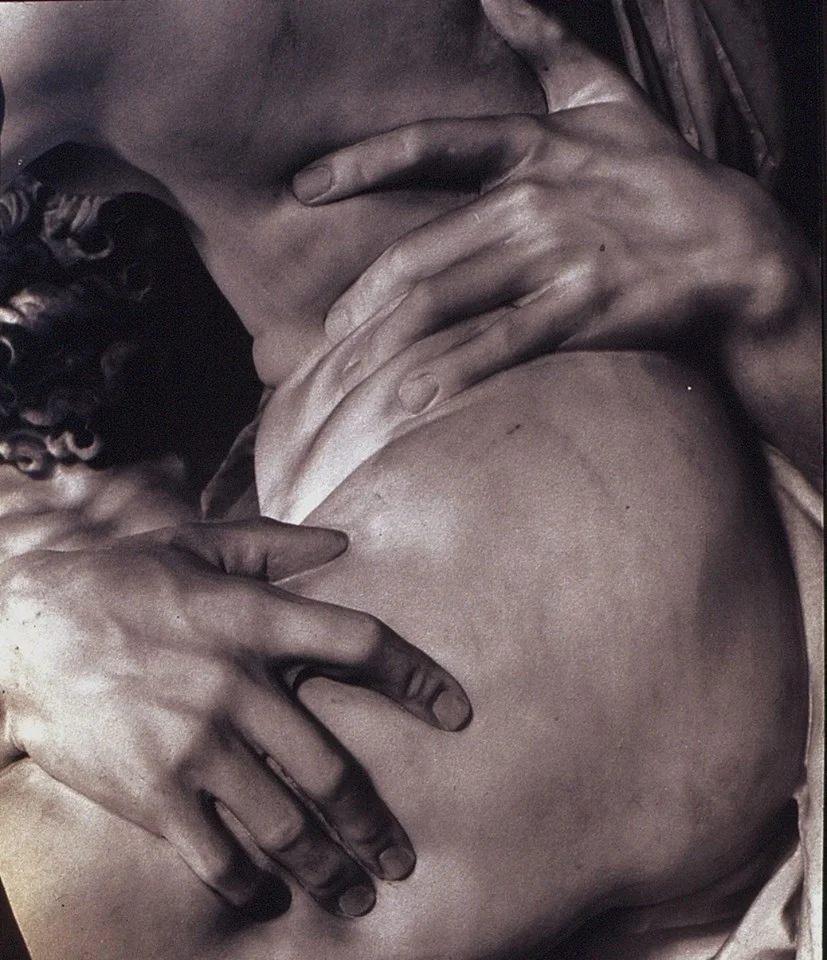
Only the genius of Bernini could make the hard marble look as soft as the human skin.
You will not believe your eyes once in front of this masterpiece...
The church of Santa Cecilia is located about a 5 minutes walk from Hotel San Francesco and it definitely worths a visit
As per the legend, the house is built on Cecil’s family house “a distinguished virgin, born from a noble roman lineage”, suffering her torment around 22 AD ...
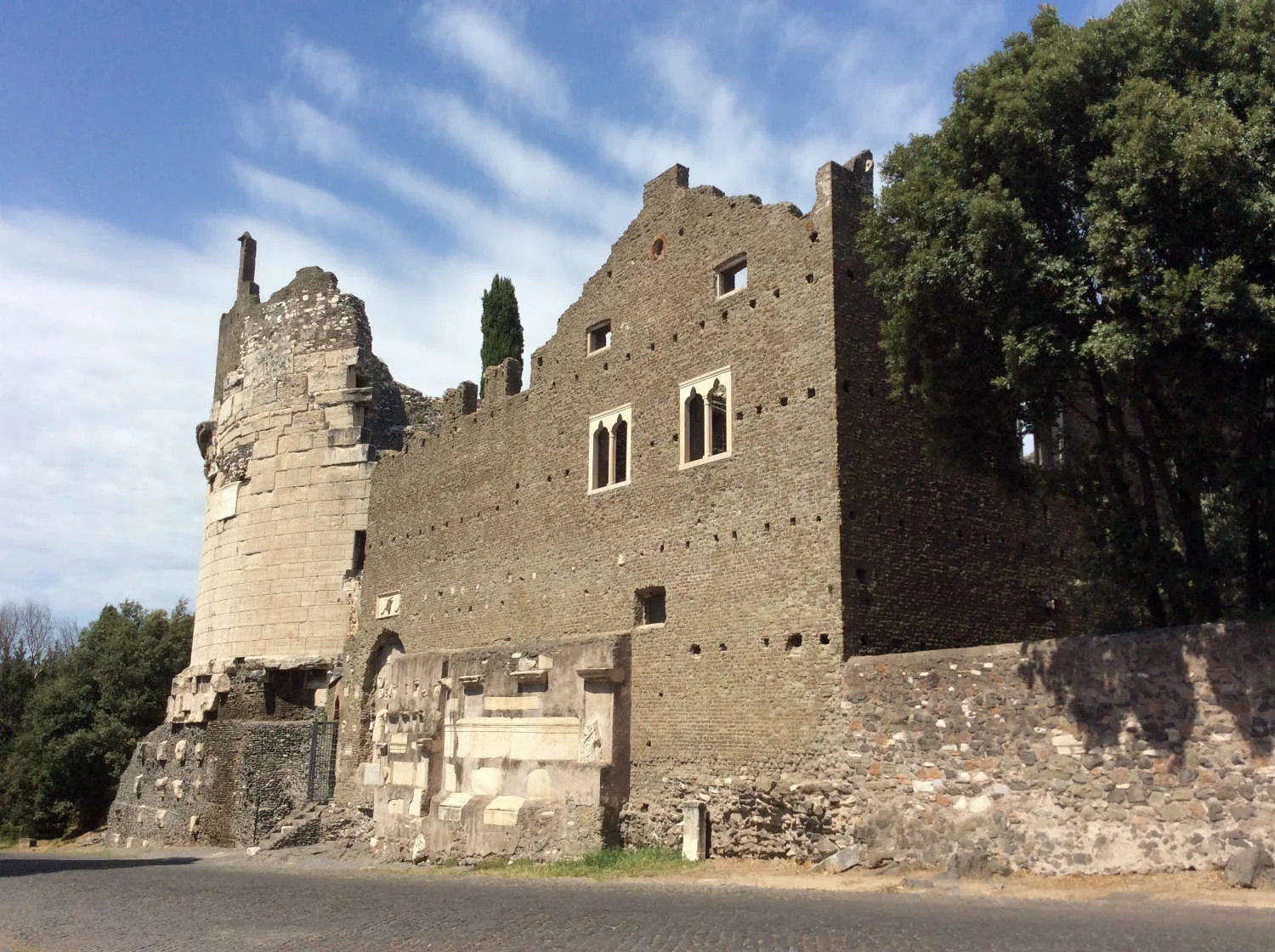
Appian Way is an ancient route and the most important built by Romans. That’s why it has been named “ Regina Viarum” (Queen of Roads). It was considered Rome’s gateway to the East and it connected Roma with Capua (near Naples)...
The Church of San Francesco a Ripa, just beside the Hotel San Francesco, contains one of the most beautiful sculpture of Gian Lorenzo Bernini: The Ecstasy of Blessed Ludovica Albertoni - 1674...
The Rape of Proserpina - G. L. Bernini 1622
Only the genius of Bernini could make the hard marble look as soft as the human skin.
You will not believe your eyes once in front of this masterpiece...
The Rape of Proserpina is one of the most beautiful sculptures of Gian Lorenzo Bernini.
The work was committed by Cardinal Scipione Borghese and completed in 1622 when Bernini was only 23 years old.
Since 1908, the masterpiece can be admired at the Borghese Gallery of Rome thanks to the Italian State who purchased it and returned to the original place from the Villa of Cardinal Ludovisi.
Only the genius of Bernini could make the hard marble look as soft as the human skin
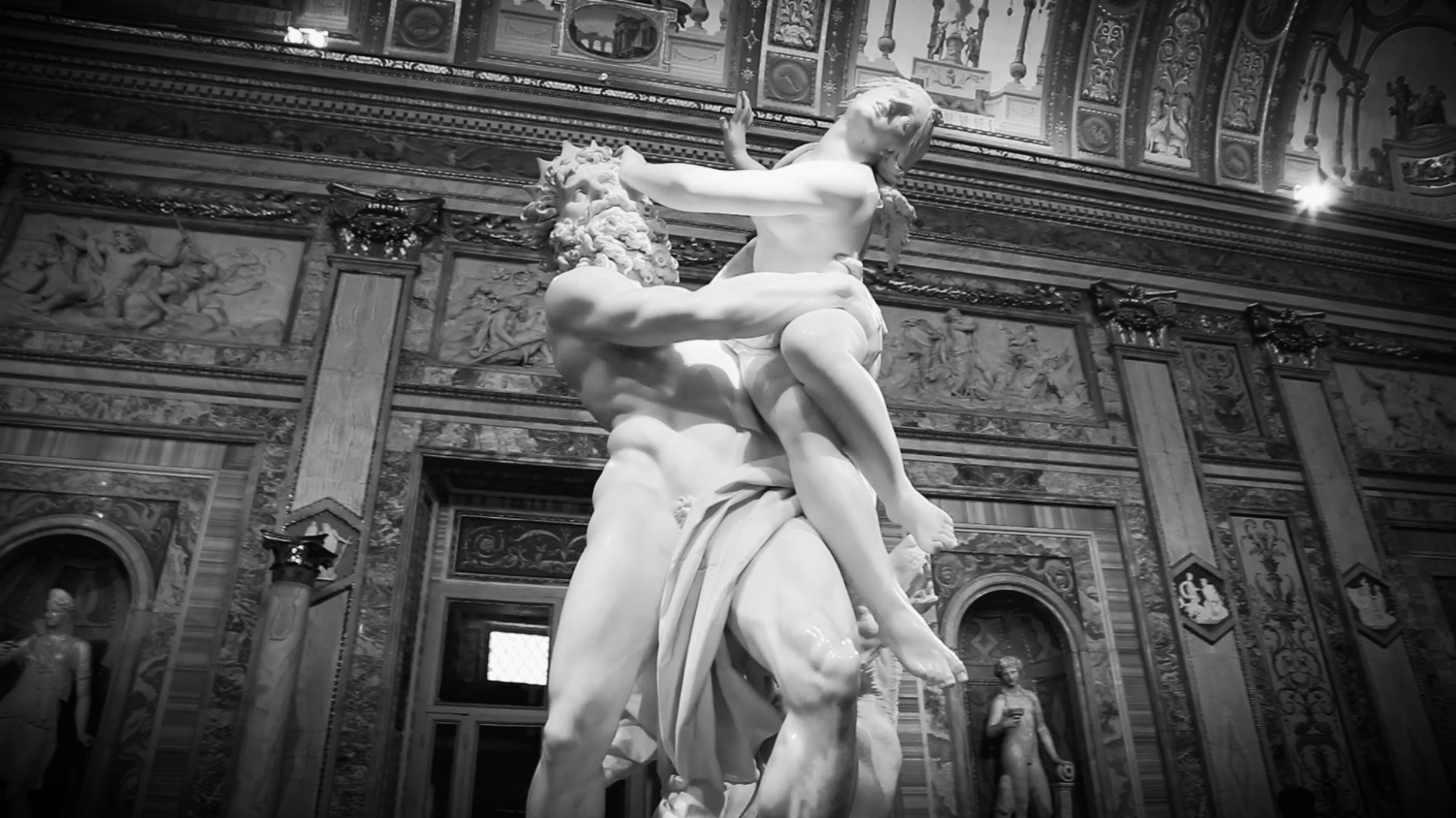
The Rape of Proserpina - Gian Lorenzo Bernini 1622
Useful information
To book tickets: tel. +39 06 32810
Guided tours booking: fax +39 06 8555952
To visit Galleria Borghese, the ticket reservation is needed
Tickets can be reserved on-line using the site www.tosc.it
Free tickets for Roma Pass holders and the tour guides are only bookable through the Reservation Center (Tel: +39 06 32810 - Mon-Fri 9:00 to 18:00, Sat 9:00 to 13:00, closed Sun and holidays, 24 and 31 December 9:00 am to 13:00 pm)
The Easter Lunch Menu is ready. Book now your table at Jacopa the brand new restaurant of Hotel San Francesco
What is the first thing that comes to mind when you think of Rome: the Coliseum? the Vatican? the Trevi Fountain? What you may not know is that, in addition to its abundance of ancient sites, Rome is a very green city with a number of parks worth visiting.
Built in the early sixteenth century at the behest of Agostino Chigi, rich banker from Siena, the Villa Farnesina in Rome, the Accademia Nazionale dei Lincei properties, it is one of the most noble and harmonious achievements of the Italian Renaissance.
Palazzo Spada is an impressive building built in 1550 by Cardinal Capo di Ferro, later restored by Bernini and Borromini who created a unique full play of perspectives in a columns-gallery.
The Barberini Palace hosts the National Gallery of Ancient Art, entirely restored, located in Via delle Quattro Fontane, near Barberini Square
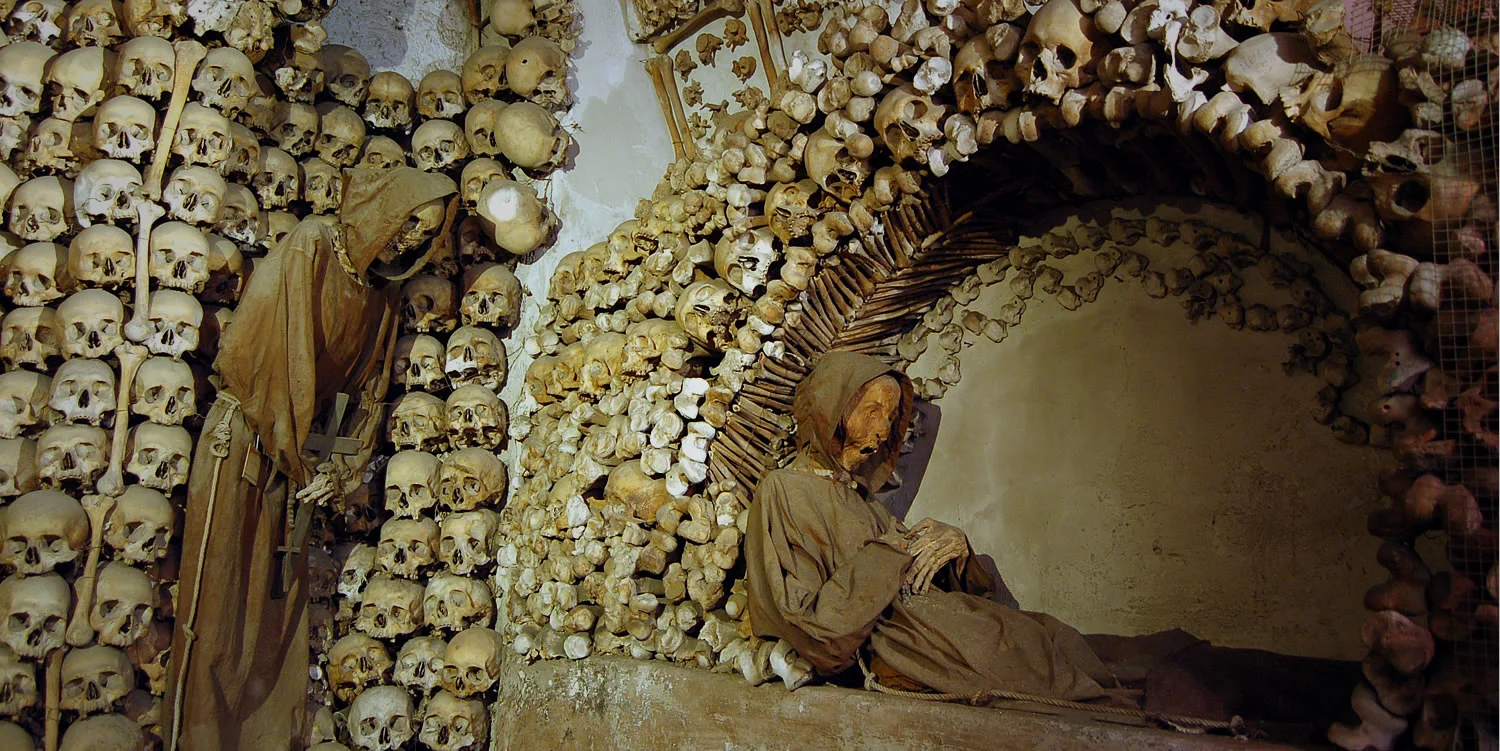
The Capuchin Crypt is a Monument of Human Bones and Corpses in Rome, located beneath the church of Santa Maria della Concezione dei Cappuccini on Via Veneto, near Barberini Square...
The Moses by Michelangelo is certainly one of his best works and it is housed in the church of San Pietro in Vincoli in Rome.
In 1505, Pope Julius II gave to Michelangelo the commission to design and sculpt his tomb. The initial design was massive and called...
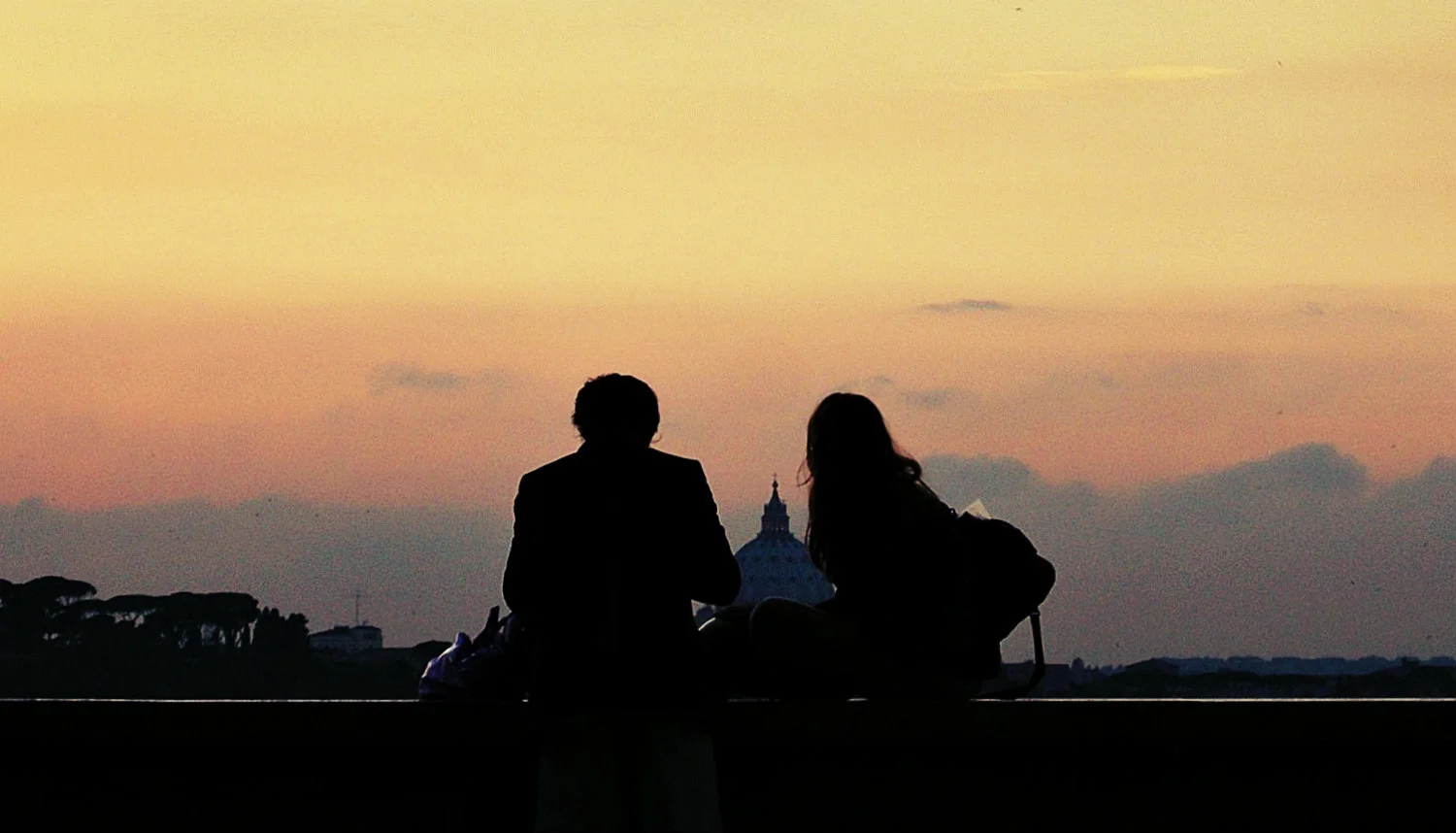
The Orange Garden, also known as Parco Savello, is one of those places that you can find only in the eternal city. Surrounded by medieval walls, on top of the Aventine Hill, the Orange Garden is a romantic and peaceful place that offers a breathtaking view of the city, one of the most beautiful...
Built around 123 A.D. as a tomb for Emperor Hadrian and his family, Castel Sant'Angelo has an unusual destiny in the history and art of the Rome. While all the other Roman monuments are overwhelmed...
There is no other place like this in Rome. When you get through the gate for the first time, a peacefulness atmosphere surround you.
Men from all over the world, rest together, under pine and cypress trees. The cemetery population is incredible rich in writers, painters and poets as Keats and Shelley.
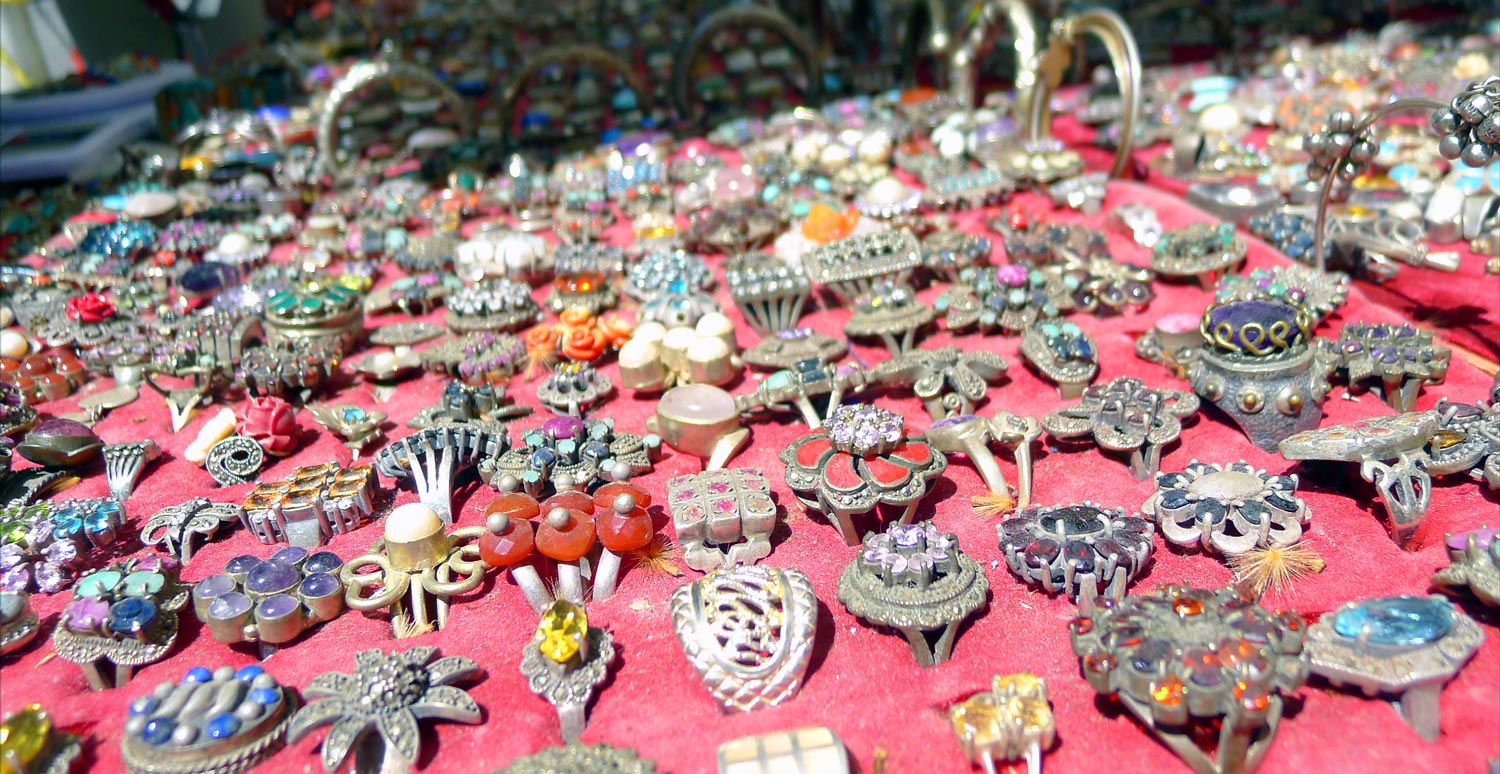
Because of its multi ethnicity and the possibility to find unthinkable objects, there is a quote that says that at Porta Portese “you can find anything, from a pill to a Jumbo Jet’!
Only the genius of Bernini could make the hard marble look as soft as the human skin.
You will not believe your eyes once in front of this masterpiece...
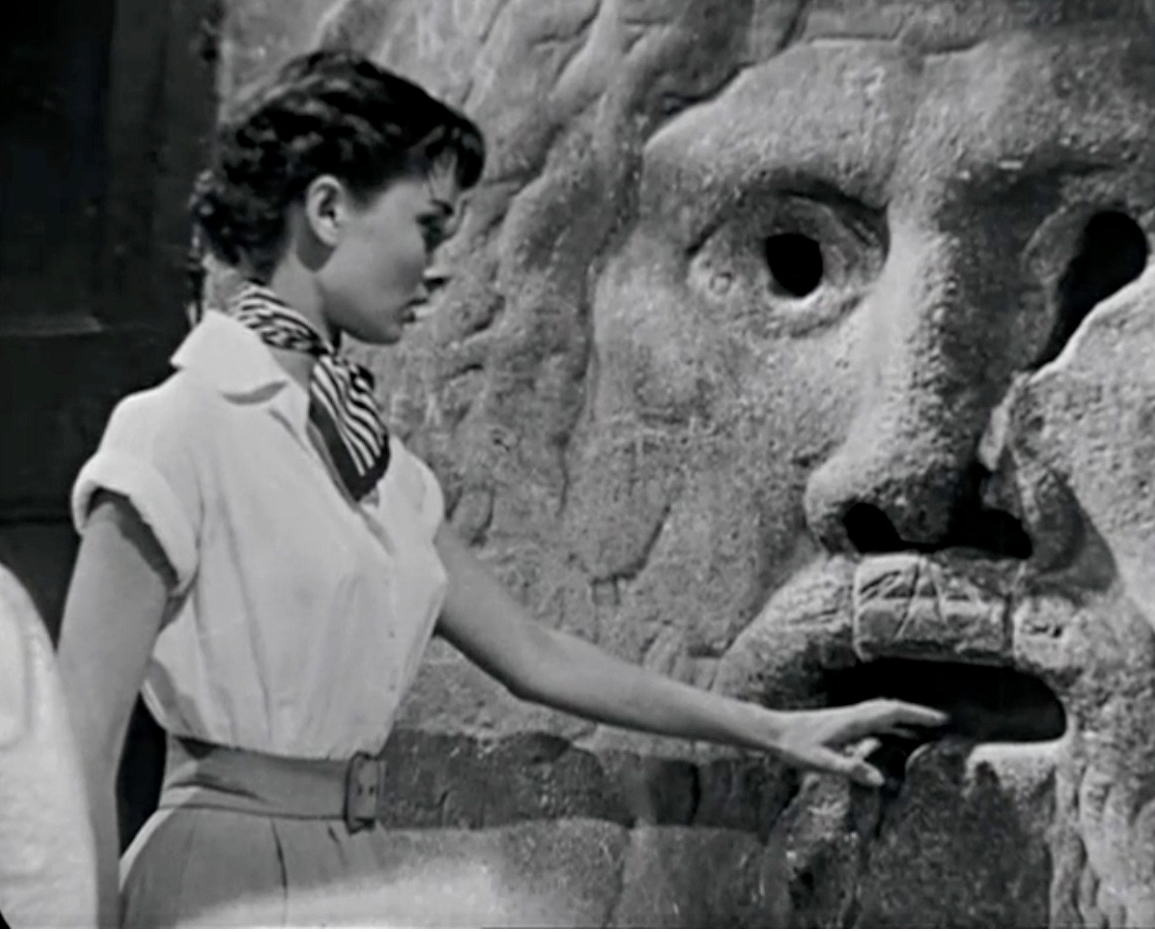
Would you test your honesty and put your hand into the mouth of truth?
You definitely can't leave Rome before taking a picture in front of one of the most famous faces in the world...
The church of Santa Cecilia is located about a 5 minutes walk from Hotel San Francesco and it definitely worths a visit
As per the legend, the house is built on Cecil’s family house “a distinguished virgin, born from a noble roman lineage”, suffering her torment around 22 AD ...
Also known as “Fontanone” among Roman citizens, the Acqua Paola Fountain is one of the biggest fountains of Rome.
Built between 1610 and 1612, this fountain was supposed to be the end of the homonym Acqua Paola Aqueduct ...
Appian Way is an ancient route and the most important built by Romans. That’s why it has been named “ Regina Viarum” (Queen of Roads). It was considered Rome’s gateway to the East and it connected Roma with Capua (near Naples)...
Forget about traditional flavors as “Stracciatella”or “Pistacchio”.
In her ice cream lab, Maria Agnese Spagnuolo, well known as “Fata Morgana”, combines only the best ingredients. The end result is a perfect and unusual mix of flavors as “Basilico + Noci + Miele” (basil, nuts and honey) or “Crema di mais + Pop Corn...
The Church of San Francesco a Ripa, just beside the Hotel San Francesco, contains one of the most beautiful sculpture of Gian Lorenzo Bernini: The Ecstasy of Blessed Ludovica Albertoni - 1674...
A Bernini's masterpiece just around the corner
The Church of San Francesco a Ripa, just beside the Hotel San Francesco, contains one of the most beautiful sculpture of Gian Lorenzo Bernini: The Ecstasy of Blessed Ludovica Albertoni - 1674...
Ecstasy of Blessed Ludovica Albertoni - Gian Lorenzo Bernini 1674
The Ecstacy of Beata Ludovica Albertoni
The Church of San Francesco a Ripa, just beside the Hotel San Francesco, contains one of the most beautiful sculpture of Gian Lorenzo Bernini: The Ecstasy of Blessed Ludovica Albertoni - 1674
The entrance is free, as for all churches of Rome, and the statue is located in the last chapel of the left side, The Altieri Chapel.
Blessed Ludovica Albertoni was a noblewoman who dedicated her life assisting poor of Trastevere after the died of her husband.
How to reach it from the hotel
Once out of the hotel walk right until the square and you will find the church on the right side
Built in the early sixteenth century at the behest of Agostino Chigi, rich banker from Siena, the Villa Farnesina in Rome, the Accademia Nazionale dei Lincei properties, it is one of the most noble and harmonious achievements of the Italian Renaissance.
Palazzo Spada is an impressive building built in 1550 by Cardinal Capo di Ferro, later restored by Bernini and Borromini who created a unique full play of perspectives in a columns-gallery.
The Barberini Palace hosts the National Gallery of Ancient Art, entirely restored, located in Via delle Quattro Fontane, near Barberini Square
The Moses by Michelangelo is certainly one of his best works and it is housed in the church of San Pietro in Vincoli in Rome.
In 1505, Pope Julius II gave to Michelangelo the commission to design and sculpt his tomb. The initial design was massive and called...
Built around 123 A.D. as a tomb for Emperor Hadrian and his family, Castel Sant'Angelo has an unusual destiny in the history and art of the Rome. While all the other Roman monuments are overwhelmed...
There is no other place like this in Rome. When you get through the gate for the first time, a peacefulness atmosphere surround you.
Men from all over the world, rest together, under pine and cypress trees. The cemetery population is incredible rich in writers, painters and poets as Keats and Shelley.
Only the genius of Bernini could make the hard marble look as soft as the human skin.
You will not believe your eyes once in front of this masterpiece...
The church of Santa Cecilia is located about a 5 minutes walk from Hotel San Francesco and it definitely worths a visit
As per the legend, the house is built on Cecil’s family house “a distinguished virgin, born from a noble roman lineage”, suffering her torment around 22 AD ...
Appian Way is an ancient route and the most important built by Romans. That’s why it has been named “ Regina Viarum” (Queen of Roads). It was considered Rome’s gateway to the East and it connected Roma with Capua (near Naples)...
The Church of San Francesco a Ripa, just beside the Hotel San Francesco, contains one of the most beautiful sculpture of Gian Lorenzo Bernini: The Ecstasy of Blessed Ludovica Albertoni - 1674...